
Beyond the Chessboard: How Chess Helps Children Learn, Think, and Grow
Updated: 1 day ago
When most people think of chess, they picture two people sitting at a board moving pieces, not kids learning, growing, and solving problems. But every move gives children a chance to think about what might happen next. They learn to observe the board, plan their moves, consider different possibilities, and make decisions. Sometimes they find the right move, and sometimes they make a mistake. Either way, every move teaches them something new.
What makes chess special is that these lessons don’t stay on the chessboard. The skills children practice while playing help them at school, at home, and in everyday life. From building concentration and patience to learning how to solve problems, chess gives children many chances to learn while having fun.

How Chess Helps Children Develop Important Life Skills
1. Critical Thinking – Think Before You Act
Chess encourages children to slow down and think before making a move. Instead of moving pieces randomly, they start looking at the board and asking themselves questions: What can I do next? Is my piece safe? What might my opponent do? Good decision-making matters in chess and in life, and chess builds it for both.
2. Planning Ahead – Thinking About the Next Move
One of the interesting things about chess is that kids don’t just think about the move they’re playing; they also think about their opponent’s reply and what they need to play next. They begin to plan their moves and predict what their opponent might do. Over time, this habit of thinking ahead helps them make better decisions.
3. Concentration and Observation – Paying Attention to Details
A single move can change the direction of a chess game. Children learn to pay attention to the entire board, notice where the pieces are, and watch their opponent’s moves carefully. They also learn that missing a small detail can lead to a big mistake. In the long run, this focus helps them in the classroom and beyond.
4. Logical Thinking – Understanding Why a Move Matters
Chess is not just about moving pieces from one square to another. Children gradually learn that every move has a purpose and that one move affects the next. They begin to understand why a particular move works and why another might not. This teaches them to use reasoning instead of simply guessing.
5. Problem-Solving – Finding a Way Forward
Every chess game brings a new situation and a new problem. Sometimes children find themselves in a difficult position and need to figure out how to protect their pieces or get out of trouble. As they learn to rescue a piece under attack or get their king out of check, they learn to solve problems quickly and calmly.
6. Patience – Taking Time to Make the Right Move
Children are often eager to move quickly, especially when they see a chance to capture a piece. Chess teaches them that rushing is not always the best choice. Sometimes, taking a moment to look carefully can make all the difference. That’s how kids learn the value of patience and waiting for the right moment.
7. Sportsmanship and Respect – Learning to Play Fair
Chess also teaches children how to treat others. They learn to follow the rules, take turns, respect their opponents, and appreciate the game. A simple handshake before and after a game teaches an important lesson about respect. Children begin to understand that being a good player is not only about winning but also about how they treat others.

8. Learning from Mistakes – Trying Again with Confidence
Not every move will be a good one, and not every game will end in a win. Sometimes children make a mistake and lose a valuable piece or even the whole game. These moments can be disappointing, but they are also wonderful opportunities to learn. Children can look back at what happened, understand their mistakes, and think about what they could do differently next time. Slowly, they learn that mistakes are nothing to be afraid of. What matters is trying again.
The Joy of Learning Chess
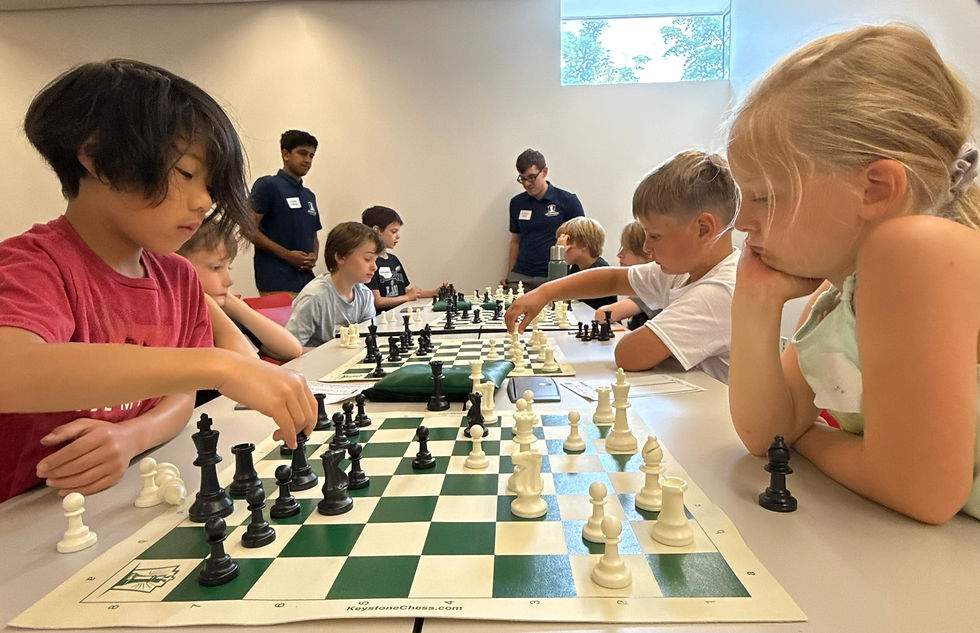
One of the most wonderful things about chess is watching how involved children become in the game. Their smiles, expressions, and excitement say so much. You can see their happiness when they discover a good move, solve a puzzle, capture a piece, or find an answer on their own.
Sometimes a child who is quiet at the start of a game lights up when they discover something new. They start asking questions, sharing their ideas, and wanting to know what might happen next. These little moments make learning enjoyable and give children a real sense of achievement.

A Classroom Where Questions and Curiosity Matter
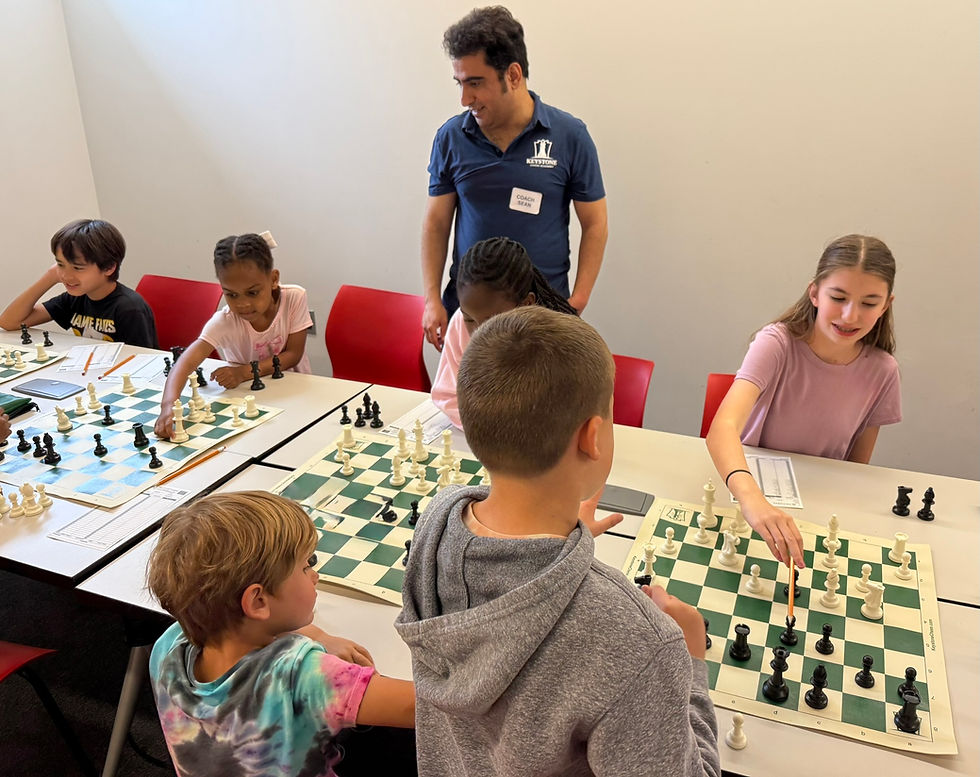
Learning becomes more meaningful when children feel comfortable asking questions. During a chess game, children often come up with great ones: Why is this move better? Can my knight jump over another piece? What happens if the king has no safe square to move to?
These questions show that children are thinking, observing, and trying to understand the game. When they feel encouraged to ask questions and share their ideas, they become more involved in learning. They also gain confidence in expressing themselves and learn from one another.
Every Move Is an Opportunity to Grow
At the end of the day, chess is not just about winning, losing, or checkmating an opponent. It’s about the little things children learn along the way: thinking before acting, being patient, asking questions, respecting others, and having the courage to try again after a mistake.
Every game is different, and every child learns at their own pace. Some children love solving puzzles, others love capturing pieces, and some simply enjoy playing with their friends. Each experience gives them another opportunity to learn something new.
“Chess is the gymnasium of the mind.” – Peter Pratt, Studies of Chess (1803)
Want Your Child to Experience This?
Keystone Chess Academy runs after-school chess clubs at schools across Chester County and the surrounding area, for beginners through experienced players. Find a club at your child’s school or ask about bringing one there at https://www.keystonechess.com/school-clubs.
About the Author
Coach Vanshika Vanjani holds a PhD in Business Administration from the University of Mumbai and spent 13 years as an assistant professor at K.C. College in Mumbai, teaching undergraduate and master’s students and mentoring more than 500 student research projects. She came to chess through her daughter, learning the game alongside her as a way to spend real time together. Now a coach with Keystone Chess Academy, she brings a career educator’s patience to the board, helping young players build confidence, think a move ahead, and handle both winning and losing well.

Comments