
Chess and the Making of Great Character
By Dr. David Pustai, Founder, Keystone Chess Academy

My dad introduced me to chess when I was five, and I was instantly hooked. I remember playing classmates on the floor in elementary school and teaching them how the pieces moved. In middle school, I had the opportunity to play on the high school team, and by my senior year, I had become the New Jersey Junior State Champion.
But what that journey gave me had very little to do with chess achievement and everything to do with character.
Chess taught me to focus—not the passive kind of attention, but the deep, sustained concentration that comes from knowing one lapse can cost you the game. It taught me persistence: how to work through a difficult position when quitting would be easier. It taught me resilience: how to fight back when I was behind and how to remain composed when I was ahead and the pressure was mounting.
It also taught me self-reflection. After every loss, long before computer engines were widely available, I would sit down and review the game move by move, asking where I had gone wrong and what I could do differently the next time.
Those habits carried me through college and graduate school as I earned my doctorate. As a scientist, when an experiment failed, I had to examine the data and ask: What did I learn? Why did this fail? What should I change next time?
That is chess thinking applied to science, and it followed me into every leadership role I have held since.
Chess taught me to compete hard and lose graciously. It taught me to think ahead, remain patient, perform under pressure, and respect the person sitting across the table. Those lessons followed me through an engineering career, into leadership, and into fatherhood.
When I founded Keystone Chess Academy in Chester County earlier this year, I kept returning to one question: How can we teach chess in a way that genuinely builds life skills?
What Chess Actually Develops
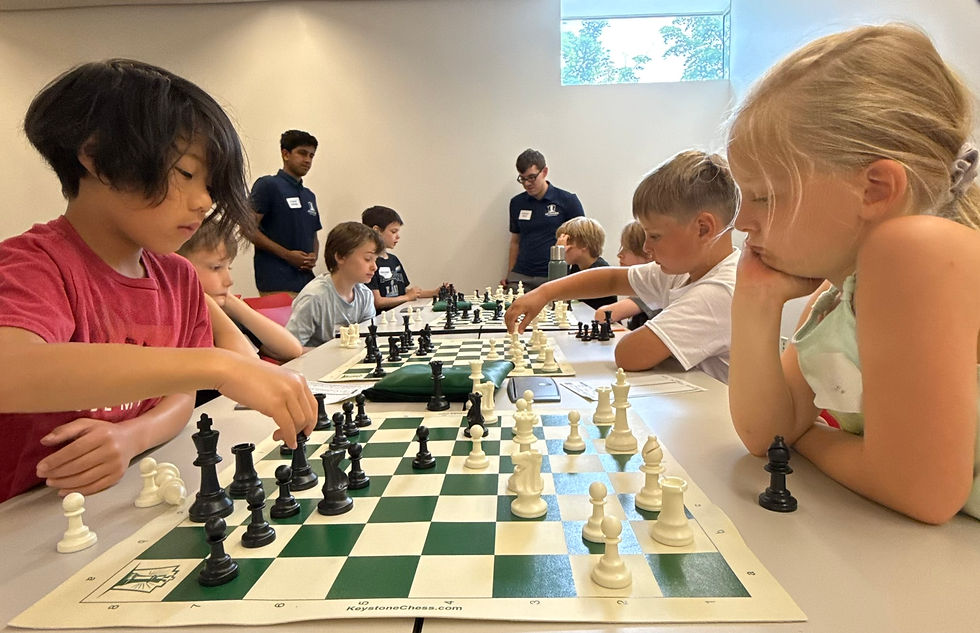
A child sitting across from an opponent must study the position, anticipate possible responses, and make a decision under pressure. There is no teammate to take over and no one else to blame. It is just the student, the opponent, and the board.
Children have relatively few opportunities to practice that kind of independent thinking. Chess gives them one.
Some of the most meaningful lessons, however, happen around the game: the handshake before and after, the "good game" following a difficult loss, and the moment when a student recognizes an opportunity and must decide independently whether to take the risk.
Chess does not merely explain sportsmanship. It requires students to practice it every time they play.
What We See in Our Programs
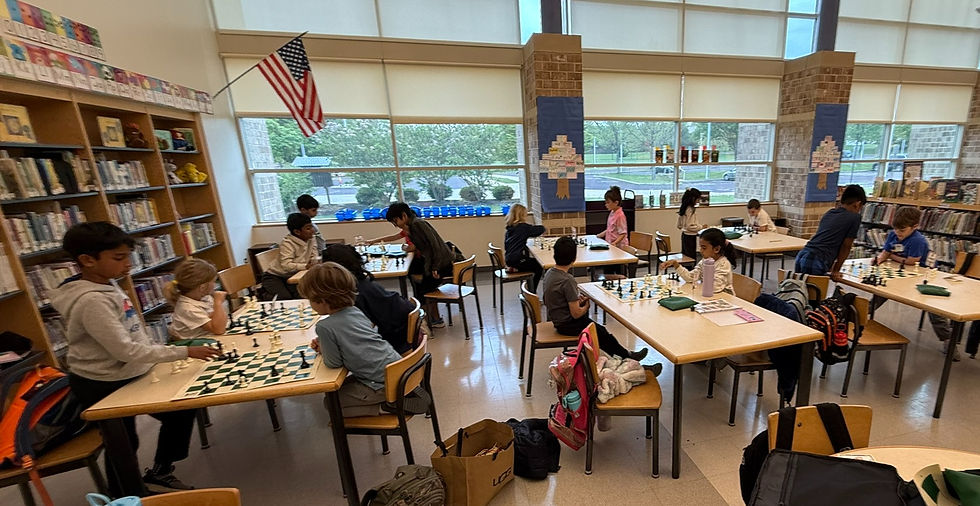
In our after-school clubs and summer camps, we have watched students grow in ways that extend well beyond chess ability.
Students who once struggled to sit still for five minutes are now concentrating on a game for 30. Children who became frustrated when things did not go their way are learning to reset, reassess the position, and keep playing. Students who hesitated to commit to a move are becoming more decisive.
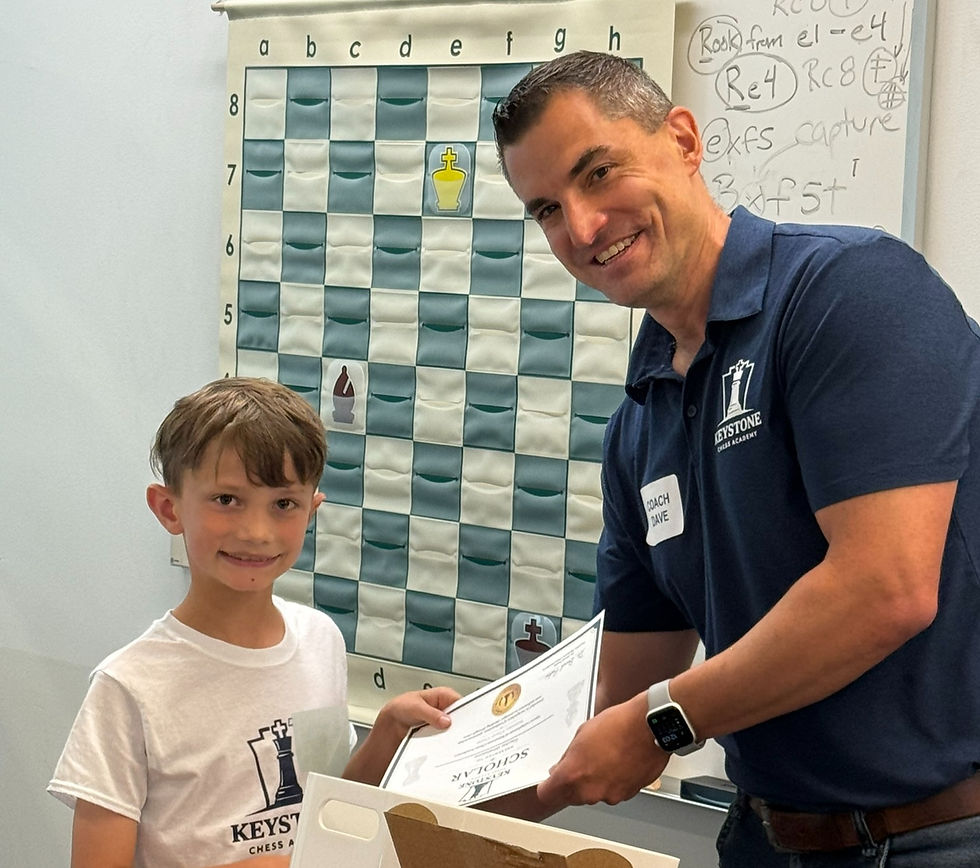
At the end of each club or camp, we recognize every student, present certificates, and shake their hands. In those moments, it is clear that something meaningful has happened.
That is why we do what we do. We are not only helping children become better chess players. We are reinforcing focus, resilience, sportsmanship, and the confidence that comes from earning progress through sustained effort.
Why Chester County
I have lived in Chester County for more than 20 years. My children grew up here. This is my community, and the opportunity to work with local families through something I care about so deeply has been one of the genuine joys of building Keystone Chess Academy.
I wanted to create a program that reflects what Chester County families expect: strong instruction, qualified coaches, clear structure, and high standards—but also a place children are genuinely excited to attend on a Tuesday afternoon.
Chess gave me more than I could have imagined when my dad first sat across from me with a board all those years ago. Today, I am grateful for the opportunity to pass those lessons on to another generation.

Keystone Chess Academy serves students and families throughout Chester County, Pennsylvania. Learn more at keystonechess.com
Comments